Teaching about the “Discovery” of America
Teaching about the “Discovery” of America
After reading and discussing Todorov’s “The Conquest of America,” I kept pondering at the thought of how Christopher Columbus and colonization were taught in schools–especially at a young age. For many students, schools taught about Christopher Columbus in a way that glorifies colonization at the expense of remembering Indigenous stories and communities. There has been a lot of controversy on the discussion surrounding how and if we should go about teaching the real history behind the “discovery of the Americas.” In my blog post, I plan to highlight both sides of the debate while incorporating my opinion on how the relevancy and skills acquired when teaching about the reality of American history can be beneficial to students learning it.
Relevancy
Todorov’s analysis of Christopher Columbus and what happened in the year 1492 allows us to envision how we have dealt with the “other” since the beginning of the conquest of America. How we teach about the conquest of the Americas ties heavily to how we view the world around us today– the topic is still very relevant and deserves to be taught in schools. Even to this day we see transformed ways in which the dominant culture and countries in our world interact with other countries that do not fit with their values (i.e. democracy). In Todorov’s analysis, he heavily examines how Columbus interacted and communicated with people who were “foreign” to him. For example, when Columbus thought he ended up in Asia, Todorov found that “The Indians Columbus encounters have told him that this land (Cuba) is an island; since the information does not suit his purposes, he challenges the quality of his informants,” (21). Essentially, Columbus uses this new info to see how he can make it fit his preconceived world view. In many ways, that same mindset when encountering new people and concepts sneaks its way into new forms of colonialism (neocolonialism). By teaching the motivations of Columbus’s unexpected arrival in the Americas and how that influenced his ability to communicate with others, we help students develop a nuanced framework into how they perceive global interventions and politics in general.
Is it too much of a tough topic to teach?
Many critics of teaching the reality behind America’s conquest argue that the subject is too sensitive for students at a young age to be engaging in. However, there are approaches to teaching American history in ways that prepare students for the actual presentation of what occurred between the indigenous communities and colonizers. Teaching about genocide can be a serious topic to learn about, but we can engage in ways that allow students to critically think about history. Asking students what they already know about the conquest of the Americas can be a good starting point– allowing students to unravel their own thoughts about what occurred and what questions may come up. Many argue that the point of education is to help develop students who will contribute to American democracy (Schoolhouse Burning). If that is the case, we must teach about the oppressive structures Columbus brought when coming to the Americas so that students understand how to critique and intercept the issues they will confront.
Conclusion
Todorov’s analysis provides great insight into the ways in which teaching about the real history of the Americas could help students think of our nation in a more complex way. It offers places for criticisms, places to challenge views or ideas. Even in our class alone as we discussed this text, we developed questions and comments that take what happened in the late 1400s and apply it to this day. Teaching about Columbus in a way that does not worship him allows students an opportunity to move forward and think about ways to repair the systems of oppression colonizers created and maintained since they got here. We cannot simply gloss over such a serious topic when it has harmed native lives– Native people who are still here, present, and all around us.
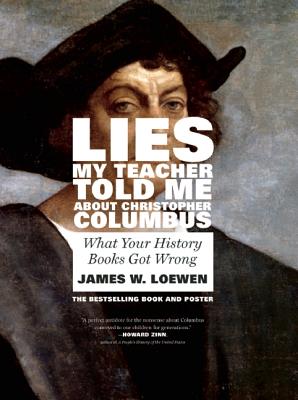
Do young kids really need know about much of the darker side of history for any topic? It is fine to go over many topics of history from a simple level for kids at a young age, and then delve deeper into it once they are older, and can full comprehend all sides of the same story. I do not think this would be considered glossing over the subject, but kids should not necessarily have to be taught about genocide, but also should learn about how North America was discovered. Do you think its best just to skip the subject or keep it simple, and cut out many of the darker details?
ReplyDeleteI think there's definitely a way of introducing and teaching the reality of what happened with the conquest in a way that doesn't unravel the gut-wrenching facts about the genocide against indigenous communities. However, we cannot introduce topics like the "creation" of America in a way that glorifies colonizers like Columbus. Especially when many indigenous communities and those affected have had to continuously face the systemic struggles that came with that conquest-- if young children are still being affected by something that happened centuries, we have a duty to teach it. in my paper I mention that for younger people, even starting out with questions that facilitate critical thinking could be a great way to introduce the topic.
Delete